
Walk Away Or Walk The Yard
Walk Away Or Walk The Yard is a critical thinking and behavioral decision-making program created under The 3 To 30 Seconds Initiative. It is designed for justice-involved populations to help individuals manage high-pressure moments that can lead to conflict, disciplinary infractions, violence, or extended incarceration.
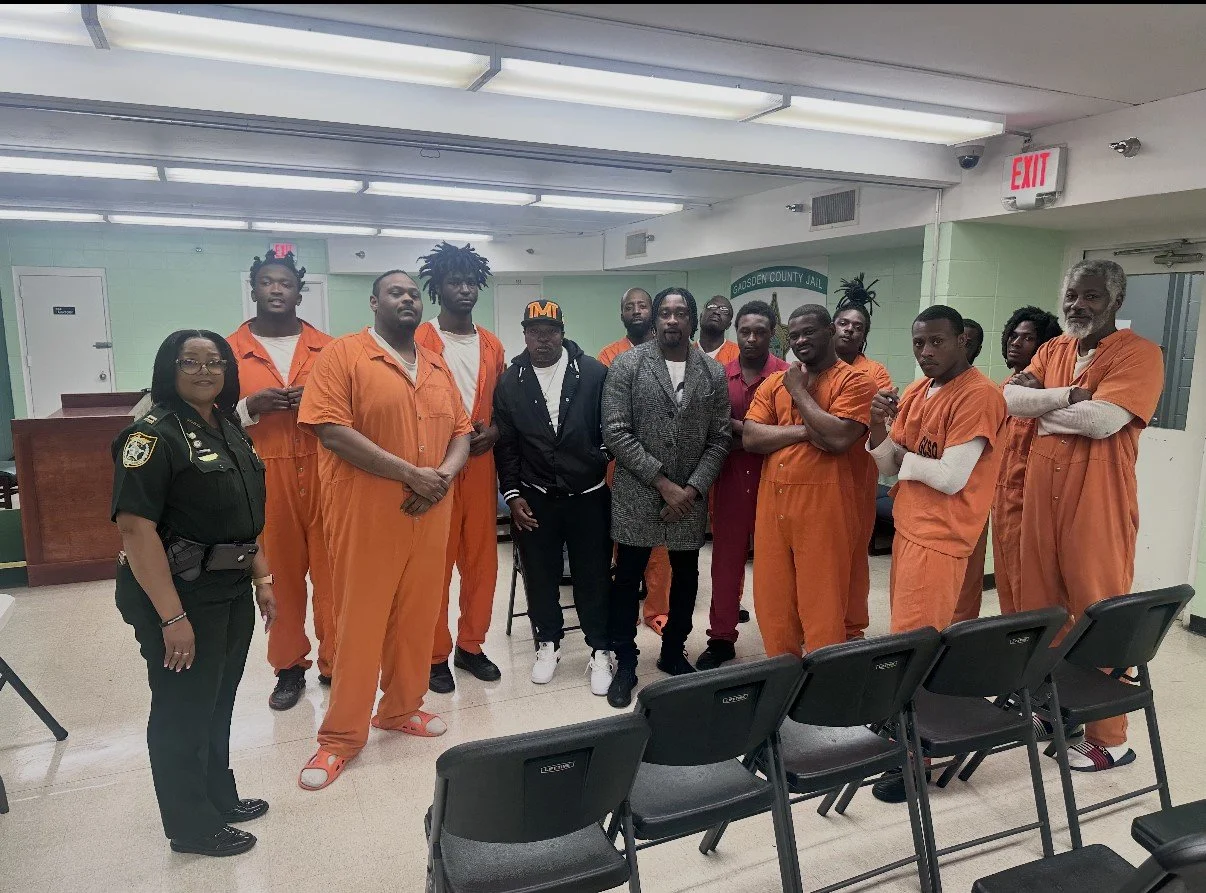
Program Overview
Pause • Reflect • Evaluate consequences — before reacting impulsively.
This program teaches participants to pause, reflect, and evaluate short- and long-term consequences before reacting impulsively. In correctional environments, that pause can be the difference between staying focused on progress or stepping into avoidable consequences.
The message is simple: when conflict shows up, you either walk away from it — or you “walk the yard” into decisions that can follow you beyond today and impact classification, privileges, programming, and reentry readiness.
Who It’s For
In-facility participants, reentry-focused individuals, and justice-involved populations preparing for transition.
What It Builds
Emotional regulation, accountability, and pro-social decision habits that reduce conflict and improve outcomes.
How It Works
A structured decision framework participants can use in real time.
Walk Away Or Walk The Yard reinforces a structured decision framework participants can use in real time. The goal is not “perfect behavior” — it’s creating enough space to choose the outcome that protects your institutional record and your future.
In the Moment
Recognize the trigger → pause → assess what’s happening → consider consequences → choose to disengage and de-escalate.
Over Time
Repetition turns the pause into a habit, strengthening cognitive control and reducing reactive decision-making.
Implementation & Delivery
Designed to complement existing rehabilitative services and strengthen accountability.
The program can be integrated into in-facility training, behavioral modification programming, conflict resolution workshops, and reentry preparation. It is designed to complement existing rehabilitative services and strengthen participant engagement and accountability.
Facility Use
Violence prevention, de-escalation, behavioral programming, life-skills, and cognitive development classes.
Reentry Use
Community supervision support, workforce readiness, anger management, and transitional initiatives.
Expected Outcomes
Safer facilities + fewer conflicts + stronger readiness for reentry.
By helping participants pause and think before acting, the program supports safer facilities, fewer conflicts, fewer disciplinary infractions, and stronger readiness for rehabilitation and reentry programming.
Long-term, the program aligns with goals of recidivism reduction and successful reintegration by reinforcing decision-making habits that translate beyond the facility environment.
Why it matters to DOCs
Improves safety, stability, and reentry readiness through better decision-making under pressure.